
Why AI Personalisation Fails: Creators Aren’t Media—they're Market Signals
AI personalisation often underperforms—not because AI is flawed, but because marketers miss the deeper value creators provide: real-time audience signals.
AI is revolutionising marketing, from dynamic ads to hyper-targeted content. But there's a pattern many marketers know all too well:
A creator-led campaign delivers strong engagement.
The team sees an opportunity to scale.
The next step? “Let’s personalise it with AI.”
But the results barely shift.
Not because AI personalisation doesn’t work—but because it’s often applied too late. By then, the most valuable signals have already been lost.
Let’s explore why this happens, what most teams are missing, and how to truly unlock the power of AI personalisation by treating creators not as distribution channels—but as dynamic sources of market intelligence.
AI Personalisation: Why Most Strategies Fail to Deliver
AI personalisation promises tailored experiences, improved click-throughs, and higher conversions. But reality often falls short.
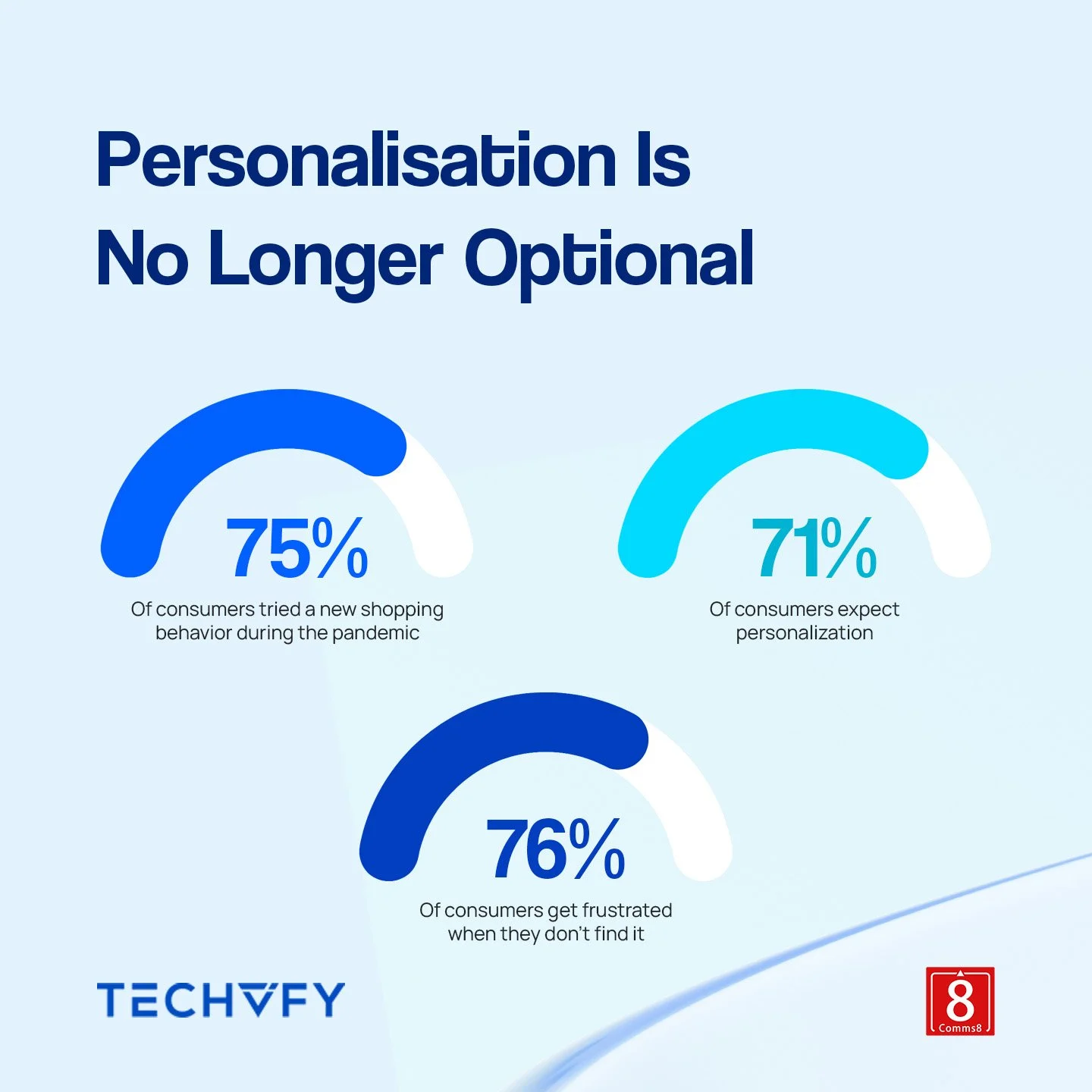
According to McKinsey (2023), 71% of consumers expect personalised interactions, but only 43% consumers agree that their experiences are personalized (Deloitte, 2024). The gap isn’t from lack of data—it’s from misinterpreting it.
The Mistake: Treating Creators as Just Media Channels
Most teams approach creator partnerships as media buys:
Track impressions and reach
Analyse surface-level metrics (likes, shares, views)
Use results to inform AI targeting models
But this overlooks something critical: creators shape, not just share, audience behaviour.
When creators build authentic narratives, they don't just distribute content—they surface raw, emotional, and highly contextual insights:
How audiences react to certain language
Where they pause, hesitate, or express doubt
What motivates versus what alienates
These signals are gold—but they’re rarely captured in traditional personalisation models.
As a result, AI is fed engagement metrics, not intent signals. The output? Assumptions. Not intelligence.
From Assumptions to Intelligence: Creators as Market Signals
Here’s the key insight: creators are more than just media—they’re real-time behavioural analysts.
Treating them as signal generators can transform how your AI personalisation operates.
Why is this shift important for AI personalisation?
Because AI only works as well as the data it's trained on.
And when that data misses how and why audiences engage, the output feels robotic, not relevant.
Consider this:
61% of consumers are willing to spend more for personalized experiences (Medallia, 2023)
Yet most AI models still rely on outdated CRM segments and third-party cookies that no longer provide meaningful insight
In contrast, creator content offers live, human insight that can't be replicated by traditional data sources:
What creators reveal through their content:
Real-time audience sentiment (via comments, DMs, reposts)
Emotional language that resonates or repels
Cultural nuances in humour, sarcasm, or slang
Pain points not yet captured in customer service logs
This makes creator-led campaigns fertile ground for AI training—but only when the signals are captured early.
How to Fix AI Personalisation: Start With Creator Signals
You don’t need to ditch your AI tools—you just need to fuel them differently.
The goal is to capture creator insights before AI personalisation begins, not after campaigns are over.
Here's how to operationalise this shift:
1. Reframe Creators as Insight Engines, Not Just Distributors
Don’t wait for the campaign to end. During creator collaborations:
Monitor comment sections in real-time
Track sentiment clusters (e.g. excitement, confusion, criticism)
Note phrases or hooks that drive emotional reaction
Use this live feedback loop to shape AI prompts and personalisation scripts.
2. Use AI for Pattern Recognition, Not Just Targeting
Rather than using AI only for ad targeting, apply it upstream:
Run NLP (Natural Language Processing) on creator comments
Identify top emotional drivers
Find phrasing or ideas that repeat across audience types
This builds a foundation of voice-of-customer data far richer than demographic targeting.
3. Let Creators Guide Content Variation
Instead of guessing what version of content will resonate, co-create variations with input from creators:
What formats work best with their audience?
Which calls-to-action feel organic, not forced?
What objections or concerns are recurring themes?
Let these answers shape how your AI generates personalised assets—ensuring authenticity is baked in.
How Brands Can Fix Broken AI Personalisation in Creator Campaigns
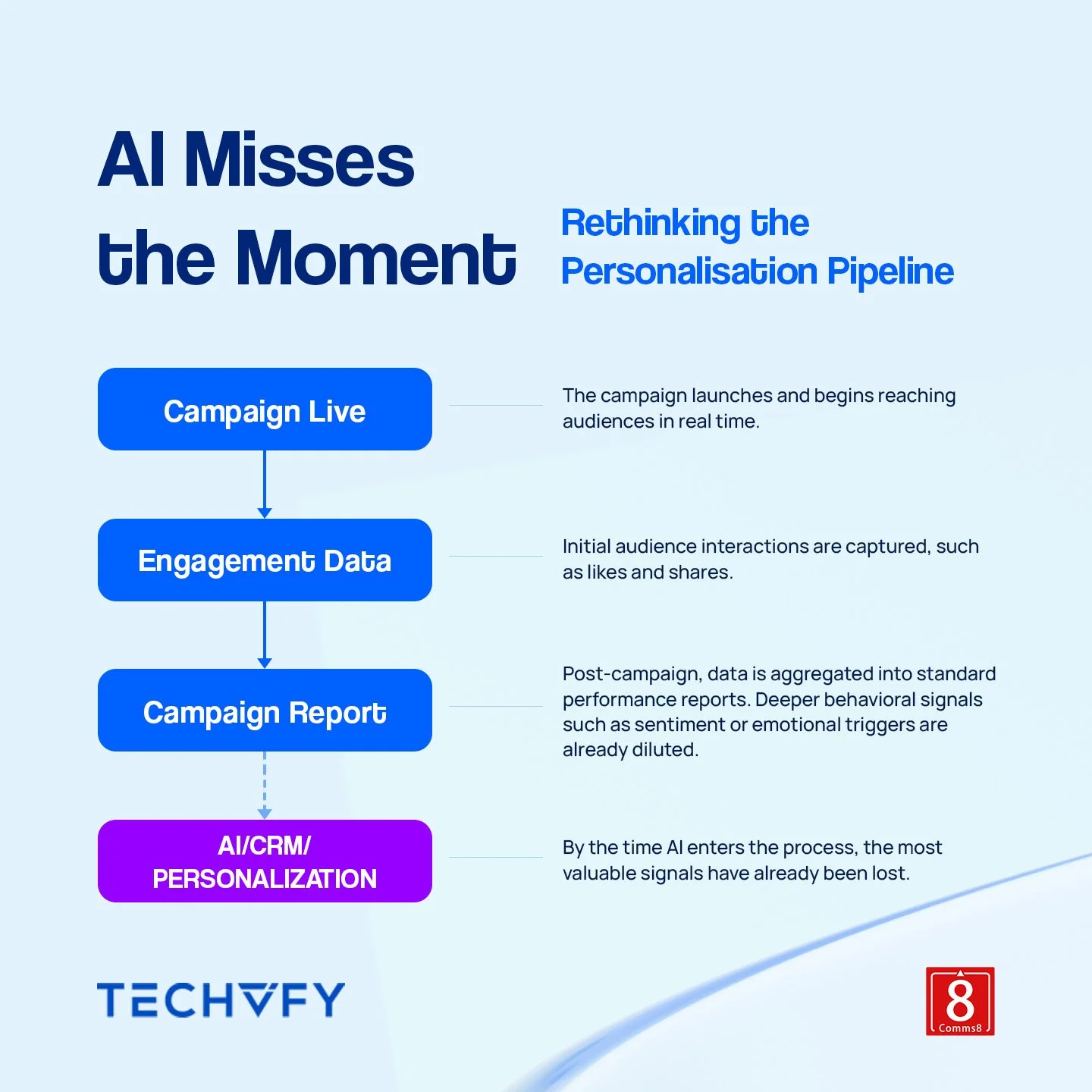
To solve this, brands must shift how they conceptualise creators in the marketing funnel.
Not as post-campaign amplifiers, but as pre-campaign insight generators.
Practical Ways to Capture Creator-Led Market Signals
If you're running creator campaigns and want to layer AI effectively, here's how to start:
Integrate creator insights into briefings
Before launching AI-generated content, gather insights from top-performing creator content. Look at which phrasings, visuals, or product features sparked conversation.Treat comments as customer interviews
Analyse the language and recurring themes in comments. Use natural language processing (NLP) tools to surface sentiment patterns.Tag and categorise audience objections
Break down audience pushback (e.g., “Is this safe?”, “Too expensive?”, “Is it vegan?”) to feed into your AI content decisioning.Use creators as co-strategists, not just talent
Run workshops with your creators. Ask: “What surprised you about audience reactions?” or “What didn’t land well?”
Feed emotional insights into your AI models
Use LLM prompts or fine-tuning based on emotional tone, not just product specs.
Why AI Personalisation Needs Creator-Led Insight to Succeed
At the core, most AI personalisation fails because it is detached from real human context. It assumes behaviour based on past patterns, not evolving motivations.
But creators offer a living map of audience mindset shifts. When used correctly, they don’t just help scale engagement—they guide strategy.
Recap: Why AI Personalisation Falls Short Without Creator Insight
AI is only as good as the signals it receives
Creators provide unique, real-time behavioural insight
Engagement ≠ intent—true personalisation needs context
Teams that miss this treat creators as media, not market
The fix? Shift your AI strategy to start with audience signals from the source—your creators.
Final Thought: It’s Not the AI That’s Broken. It’s the Input.
AI personalisation has potential—but only when it's human-led, not just data-led. Creators are the missing link. They’re not just media—they’re market intelligence in motion.
Don’t let their insights get buried under spreadsheets.
Capture. Learn. Apply. Then personalise.
Get a deeper look at how to capture creator-led insights as structured intelligence and activate them through AI-driven personalization. Register now for our online webinar: From Market Signals to Revenue.
And if you’re looking for a KOL or influencer, InfluenConnect offers the perfect platform to connect you with over 105,000 Chinese and Asian KOL. Click here to learn more about InfluenConnect.
For more in-depth insights, follow Comms8 where we help your brand expand into foreign markets.
At Comms8, we specialise in helping businesses leverage the power of cross-border marketing in Asia. With our expertise, we can assist you in harnessing the influence of social commerce strategies to boost your brand’s credibility and awareness. Contact us today to learn more about empowering your brand in the dynamic market.