
K-Pop vs. the West: What Korean Artists Do Differently in Marketing
K-Pop is setting a new global marketing benchmark. With hyper-engaged fandoms, gamified promotions, and fan-first branding, Korean artists are outshining their Western counterparts. Here's how—and why your brand should pay attention.
Introduction: Why K-Pop Marketing Deserves Global Attention
In a world where attention spans are shrinking and audience loyalty is harder to earn, K-Pop has cracked the code. Korean artists don’t just promote music—they build movements. From fan-led campaigns to strategic global collaborations, K-Pop marketing strategies have reshaped how artists and brands connect with consumers.
And it’s working. The global K-Pop market reached 12.63 trillion KRW in 2023 (Statista, 2025). Western artists, by contrast, still rely heavily on conventional promo cycles and passive fan consumption. But K-Pop treats fans as co-creators, not just spectators.
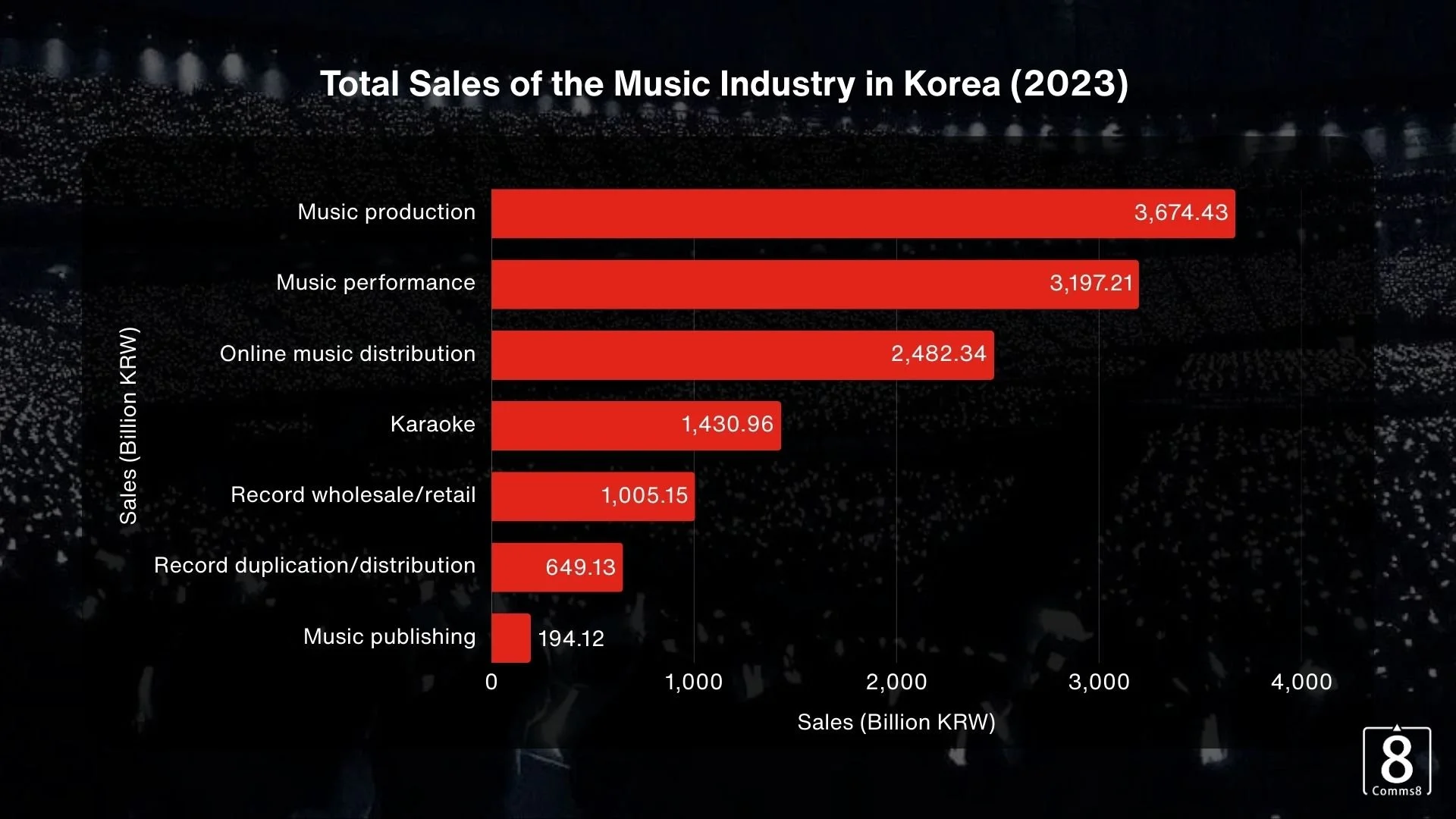
Let’s dive into what makes K-Pop marketing so effective—and what brands in the West can learn from it.
K-Pop Marketing Strategies: Building Fandoms, Not Just Followings
Western artists often chase virality. K-Pop idols? They build ecosystems. At the heart of K-Pop marketing strategies is fandom engineering—the deliberate nurturing of highly organised, emotionally invested fan communities.
Fan Engagement is Data-Driven, Personal, and Constant
K-Pop companies like HYBE, SM Entertainment and YG Entertainment track fan behaviour with precision. They use fan data not only to promote new releases, but to design them.
Here’s how fan engagement becomes marketing gold in K-Pop:
Personalised content: Idols regularly drop content across multiple platforms, Weverse, VLive, TikTok—designed to feel one-on-one.
Real-time feedback loops: Song teasers, concept photos, and interactive polls are used to test ideas with fans before finalising.
Exclusive digital ecosystems: Platforms like Weverse allow fans to buy merchandise, access VIP content, and engage directly with artists—without third-party intermediaries.
Gamification Makes Every Comeback an Event
K-Pop turns album launches into immersive campaigns. This is a stark contrast to the West’s reliance on album drops, interviews, and radio airplay.
Key K-Pop gamified marketing strategies include:
Photo card collecting: Fans buy multiple copies of the same album to get rare collectible cards.
Streaming goals and reward systems: Fans compete to hit streaming targets, unlocking exclusive content or bonus videos.
Voting mechanics: Comeback shows and music awards often involve fan voting, giving fans a sense of ownership over idol success.
K-Pop Artists as Multi-Channel Brands
Unlike many Western artists who focus primarily on music, K-Pop idols are trained to become 360° brands. That includes fashion, skincare, gaming, and even diplomacy. Marketing strategies in K-Pop are deeply integrated with brand-building from the start.
Let’s take a closer look at what this full-stack branding looks like.
Strategic Brand Collaborations—Beyond Surface-Level Sponsorships
K-Pop idols don’t just endorse brands—they often co-create them. This deeper level of integration leads to higher consumer trust and engagement.
Consider the following examples:
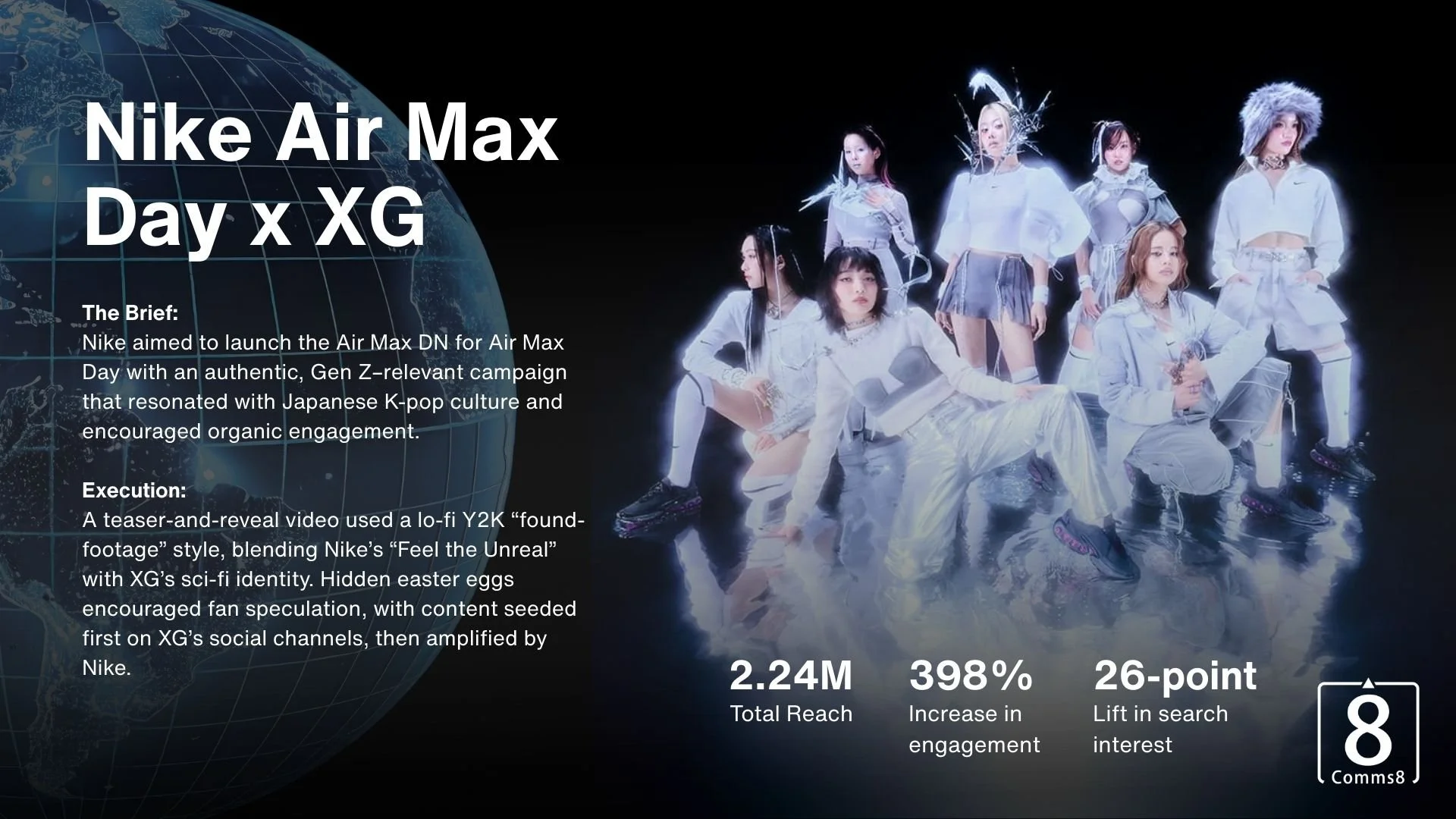
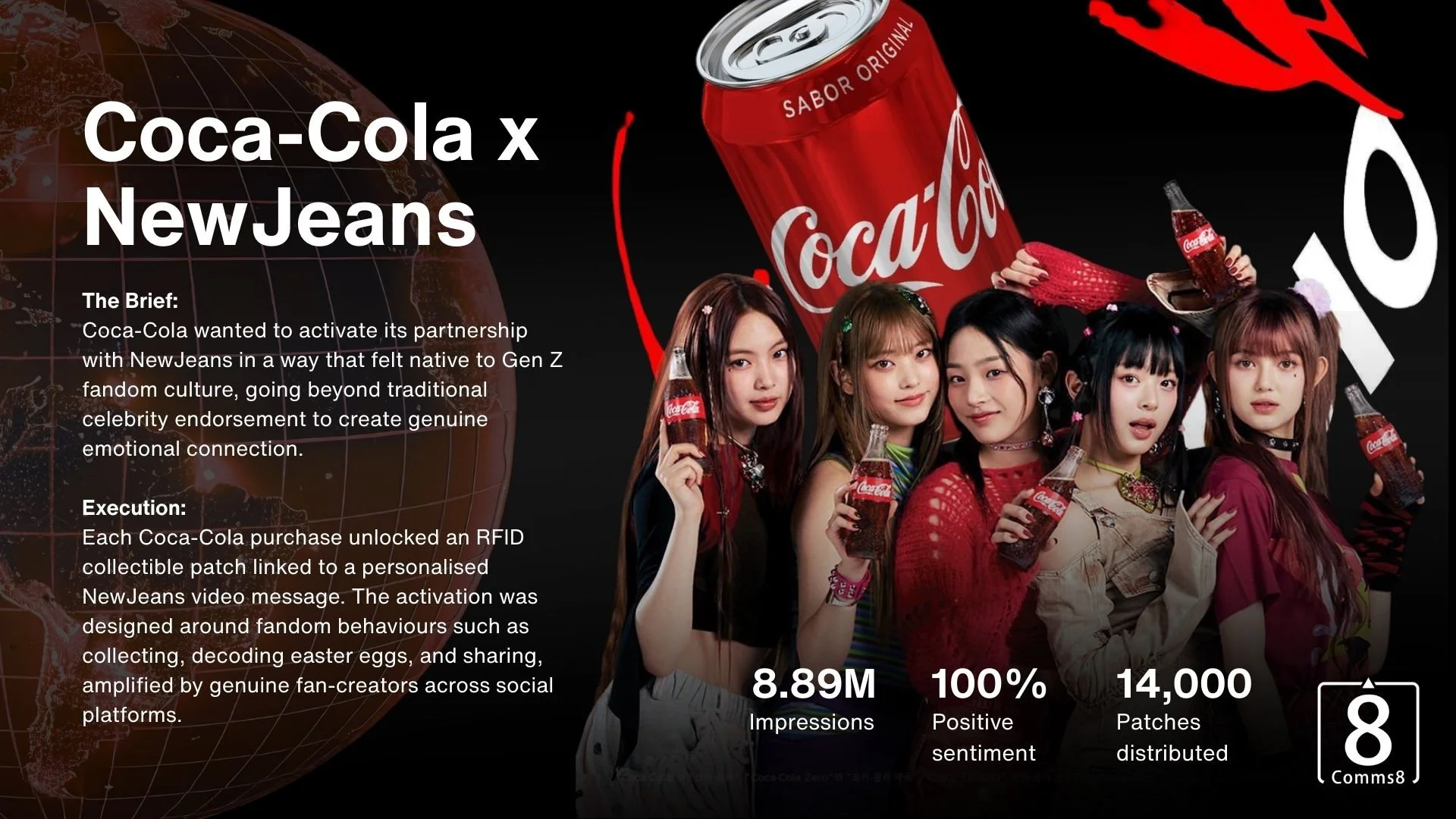
Key takeaways for Western brands:
Choose ambassadors with emotional alignment, not just reach.
Involve artists in creative direction and storytelling.
Focus on long-term partnerships, not one-off campaigns.
Visual Identity and Performance Are Seamlessly Branded
Every detail in a K-Pop campaign—from costumes to choreography—is intentional. Idols often debut with pre-planned style narratives, leading to more recognisable and consistent branding.
Blackpink’s global ambassador roles with Dior, Chanel and Celine aren’t just endorsements—they’re brand alignments built over years.
BTS’s branding consistency across albums like “Map of the Soul” made it easier for fans to form emotional connections with themes and aesthetics.
This level of branding consistency is rarely seen in the West, where reinvention is often valued over narrative continuity.
K-Pop Marketing Strategies Are Global by Design, Not Default
While many Western artists go global after domestic success, K-Pop acts build global appeal from day one. Multilingual lyrics, worldwide distribution strategies, and targeted marketing make this possible.
But it’s not just about language—it’s about cultural fluency.
Localisation Is Intentional and Deeply Researched
K-Pop companies study regional audiences like marketers study buyer personas.
Western marketing campaigns often overlook these emerging markets, whereas K-Pop treats them as priority expansion zones.
Data shows that the top countries streaming K-pop are not Korea itself, but the United States, Indonesia, Japan, and Brazil.
Storytelling Transcends Language Barriers
Even if fans don’t speak Korean, they understand the story behind every comeback.
K-Pop videos often follow cinematic arcs, with sequels, Easter eggs, and layered meanings. This fuels fan theories, engagement, and replays.
Key storytelling tactics include:
Multi-part music video series (e.g., BTS’s “HYYH” era)
Conceptual photo shoots that hint at album themes
Lyrics packed with universal emotions—loss, self-love, hope
Western artists may have viral songs, but few build worlds in the same way. K-Pop creates transmedia universes that deepen emotional investment.
Conclusion: What Western Brands and Artists Can Learn from K-Pop
K-Pop marketing strategies work because they’re fan-first, data-driven, and brand-integrated. It’s a model that has turned idols into global icons and fandoms into economic powerhouses.
Here’s a recap of what makes K-Pop marketing uniquely powerful:
Hyper-personalised fan engagement
Gamified campaigns and product launches
Strategic brand collaborations built on emotional synergy
Cohesive brand identities across visuals, music, and messaging
Deliberate globalisation with local market fluency
As the line between entertainment and commerce continues to blur, K-Pop offers a blueprint for sustainable fan-brand ecosystems. Whether you're an artist, marketer, or brand leader, there’s immense value in looking East for inspiration.
And if you’re looking for a KOL or influencer, InfluenConnect offers the perfect platform to connect you with over 105,000 Chinese and Asian KOL. Click here to learn more about InfluenConnect.
For more in-depth insights, follow Comms8 where we help your brand expand into foreign markets.
At Comms8, we specialise in helping businesses leverage the power of cross-border marketing in Asia. With our expertise, we can assist you in harnessing the influence of social commerce strategies to boost your brand’s credibility and awareness. Contact us today to learn more about empowering your brand in the dynamic market.